table of contents
Water damage can happen when you least expect it. A burst pipe, leaking appliance supply line, failed water heater, or hidden plumbing leak can release a large amount of water before you even realize there is a problem. For homeowners, this can mean damaged flooring, drywall, cabinets, furniture, and personal belongings, along with the cost and disruption of cleanup and repairs. Insurance companies have a strong reason to reduce these losses, which is why smart water monitoring and automatic shut-off technology is receiving more attention. Some insurers now offer discounts, rebates, or other incentives for approved water protection devices, while some policies or underwriting programs may require certain water leak detection or automatic shut-off equipment. However, you should not assume that every insurance company requires a smart valve. Requirements and discounts can vary by insurer, state, policy, property characteristics, and device. Recent insurance programs show that the trend is becoming more significant. For example, some insurers have partnered with smart water technology providers to offer incentives, while the Insurance Information Institute recognizes smart plumbing technology as a way to detect leaks and shut off water before serious damage occurs. If you are considering a smart shut-off valve, checking your current policy and asking your insurance agent about approved devices should be your first step.
Does Your Insurance Company Require a Smart Shut-Off Valve?
The answer depends on your specific policy. There is no universal rule requiring every homeowner to install a smart water shut-off valve. Instead, individual insurance companies can establish their own underwriting requirements, risk-management programs, and eligibility rules. In some cases, an insurer may require water leak detection or automatic shut-off equipment before issuing or renewing coverage, particularly when a property presents a higher perceived risk. You may also receive a request from your insurance company after a previous water damage claim or during a policy review. Other homeowners may be offered a discount simply for installing an approved system. The difference between a requirement and an incentive is important. If your insurer says the equipment is required, you should follow the company’s specifications and confirm which devices qualify before purchasing anything. If the valve is only eligible for a discount, you can compare the potential savings with the installation cost and decide whether the added protection makes sense for your home. Some insurers also have specific requirements involving automatic shut-off capability, monitoring, installation, or proof that the device is active. For example, some smart water programs allow homeowners to provide proof of device activation to their insurance provider. Before making a purchase, contact your insurance agent and ask exactly what your policy requires.
How Smart Water Shut-Off Valves Help Protect Your Home
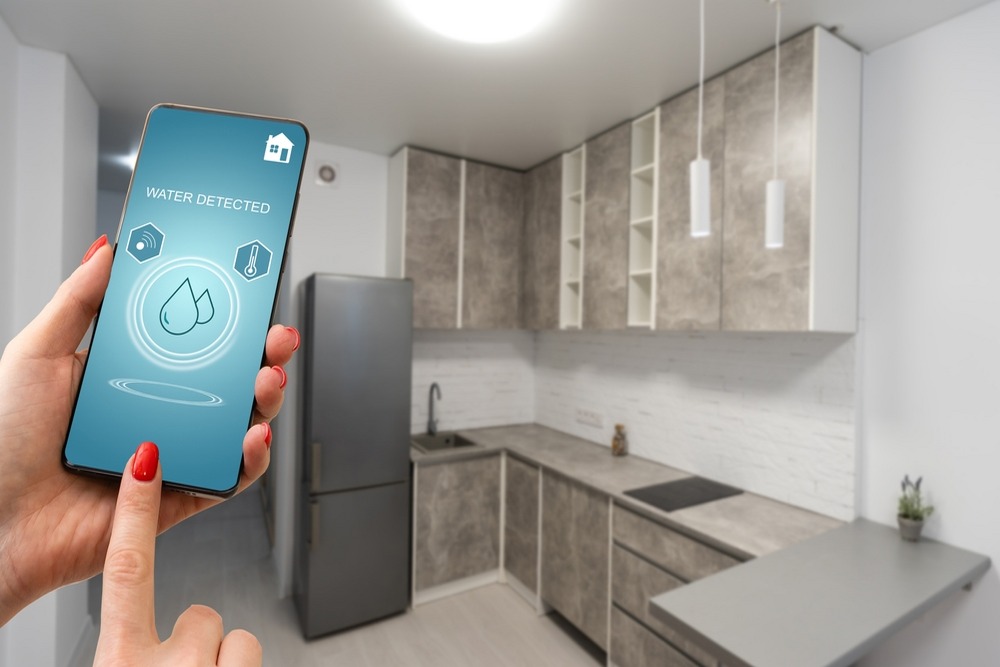
A smart water shut-off valve does more than provide another way to turn off your home’s water supply. Depending on the system, sensors and monitoring technology can identify unusual water flow or a potential leak and alert you through a connected device. Some systems can automatically stop the water supply when they detect a condition that may indicate a leak. This can be especially useful when you are away from home. Imagine a washing machine supply line failing while you are at work or a pipe developing a major leak while you are away for the weekend. Without an automatic shut-off system, water could continue flowing until someone discovers the problem. A smart valve can respond much faster by detecting abnormal water activity and, with the appropriate settings and technology, shutting off the main water supply. This can reduce the amount of water released and may limit the resulting property damage. Smart water systems can also provide alerts that allow you to respond quickly when something unusual occurs. That does not mean a smart valve can prevent every plumbing problem or guarantee that no damage will occur. It is a risk-reduction tool that works best alongside regular plumbing inspections and good home maintenance. If you want added protection against unexpected leaks, ask a qualified plumbing professional whether a whole-home automatic shut-off system is appropriate for your plumbing setup.
What Should You Ask Your Insurance Company Before Installing One?
Before spending money on a smart water shut-off valve, speak directly with your insurance company or agent. Start by asking whether your policy currently requires a leak detection or automatic shut-off device. If it does, ask whether the requirement applies to your home because of its age, location, previous claims, policy type, or another underwriting factor. Next, ask which products qualify. Not every leak detector or smart valve will necessarily meet an insurer’s requirements. Some programs may favor automatic shut-off equipment over systems that only send alerts. You should also ask whether professional installation is required and what documentation you need to provide after installation. A receipt, installation record, product information, activation certificate, or other proof may be necessary before a discount is applied. If your insurer offers a premium discount, ask how much you could save and whether the discount applies immediately or at renewal. Some insurers currently advertise savings for approved smart water devices, but the amount can vary significantly by company and policy. Also ask whether you must keep the device connected and operational to maintain the discount or satisfy the policy requirement. Getting these details in writing can help you avoid buying equipment that does not meet your insurer’s standards. Once you know the requirements, a qualified professional can help you select and install a system that fits your home’s plumbing.
Protect Your Home Before a Water Emergency Happens
Insurance companies are increasingly encouraging smart water leak detection and automatic shut-off technology because these systems may help reduce the severity of water damage claims. For you as a homeowner, the benefits can go beyond a possible insurance discount. Early leak detection, automatic shut-off, and mobile alerts can help you respond to plumbing problems sooner, even when you are away from home. However, your insurance provider’s requirements can vary, so you should confirm whether your policy offers a discount and which devices qualify before purchasing a system. If you already have concerns about leaks, aging plumbing, or water damage risks, consider having your home’s plumbing evaluated and asking about smart water protection options. Taking action before a major leak occurs can help reduce potential damage and give you greater peace of mind. If you are ready to improve your home’s protection against unexpected water leaks, call Aerify Heating & Air Conditioning at (619) 734-9949 or fill out our online form to schedule professional service today.