Keeping your San Diego home comfortable does not always mean relying on one central HVAC system for every room. If certain areas of your home are difficult to cool, have different temperature preferences, or lack access to traditional ductwork, a mini-split system may offer a practical alternative. Ductless mini-splits use an outdoor unit connected to one or more indoor air handlers, allowing you to condition specific areas without installing extensive ductwork. This setup can make sense for additions, converted spaces, bedrooms, home offices, garages, and other areas where extending your existing system may be difficult. You can also use a multi-zone system to control temperatures in separate rooms based on individual comfort needs. Before choosing a mini-split, consider your home’s layout, insulation, existing HVAC equipment, and cooling needs. Professional installation ensures the system is properly sized and positioned for effective performance. If you are considering a new way to cool or heat a particular area of your home, exploring mini-split installation can help you determine whether ductless comfort is the right fit.
Mini-Splits Can Help With Hard-to-Cool Rooms
Some rooms in your home may consistently feel warmer or cooler than the rest of the house. This can happen because of room placement, sun exposure, insulation differences, or limitations with your existing ductwork. Instead of making your central HVAC system work harder to compensate for one uncomfortable area, you can use a mini-split to provide targeted heating and cooling. Each indoor unit delivers conditioned air directly into the space, giving you greater control over its temperature. This can be especially useful for bedrooms, home offices, converted garages, additions, or rooms used at different times of day. You may also benefit when a room needs more cooling than the rest of the home because of large windows or direct afternoon sunlight. With the right system and proper sizing, you can address the comfort needs of a specific area without making major changes to your existing ductwork. If a room never seems to reach the temperature you want, a professional HVAC evaluation can help you determine whether a ductless mini-split could be a better solution.
Ductless Design Can Simplify Certain Installations
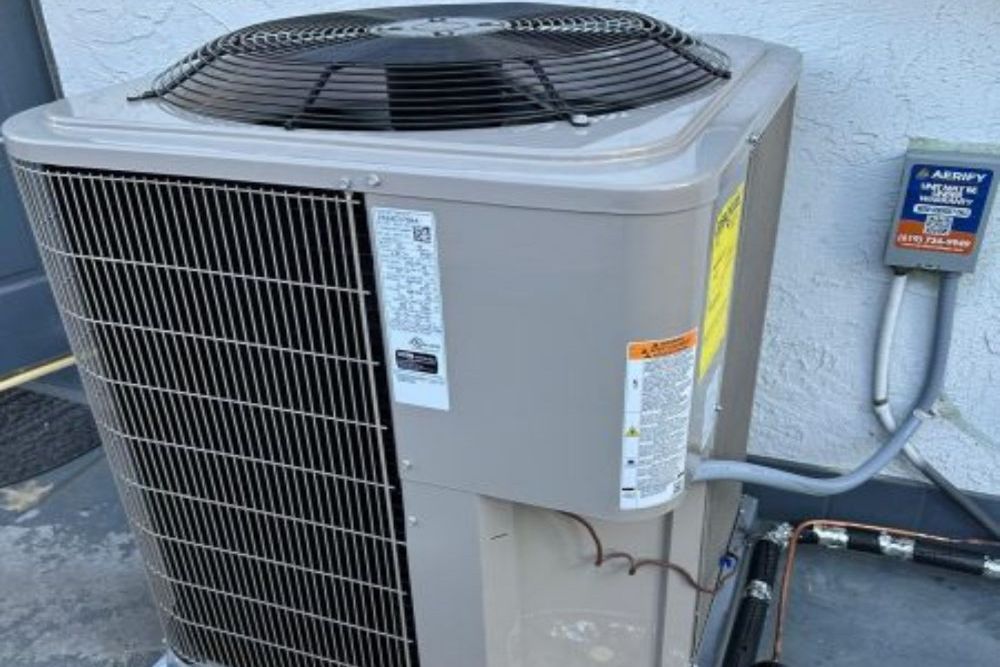
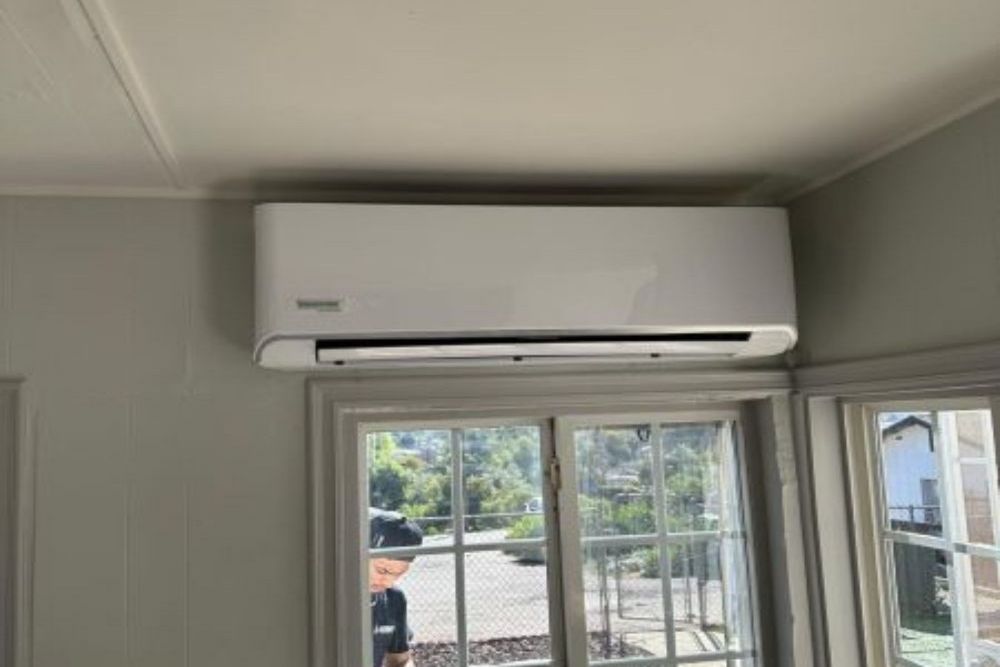
One of the biggest advantages of a mini-split is that it does not require the extensive ductwork used by a traditional central HVAC system. This can make installation especially appealing when you are adding conditioned space to your home or improving comfort in an area that was not connected to your existing duct system. Depending on your property’s layout, you may avoid opening walls or ceilings to install new duct runs. A mini-split system also gives you flexibility in choosing where to install indoor units. Wall-mounted units can distribute conditioned air throughout individual rooms, while the outdoor unit can be placed in an appropriate exterior location. However, installation still requires careful planning. The system must be correctly sized, refrigerant lines must be properly installed, and indoor units should be positioned to promote effective air distribution. Consider electrical requirements before installation begins. Professional installation helps ensure these details are handled correctly so your mini-split can operate efficiently and reliably. If adding ductwork would be complicated or disruptive, ask an HVAC professional whether a ductless system could simplify your project.
Zone Control Can Improve Everyday Comfort
A mini-split can give you more control over individual areas of your home. With a multi-zone system, separate indoor units can serve different rooms, letting you adjust temperatures to your preferences. You may want a cooler bedroom at night, a comfortable home office during working hours, and less conditioning in rarely used rooms. Instead of conditioning every room to the same temperature, you can focus heating and cooling where it is actually needed. This zoning capability can also help reduce unnecessary energy use because you have greater control over which areas receive conditioned air. When designing a multi-zone system, consider your home’s insulation, room size, sun exposure, and usage patterns. Proper sizing matters because an incorrectly sized unit may not deliver the comfort or efficiency you expect. A professional HVAC technician can evaluate your home and help determine how many indoor units you need and where to place them. If your household has different comfort preferences or your rooms are used in different ways, mini-split zoning may provide the flexibility you have been missing.
Find Out if a Mini-Split Is Right for Your Home
Mini-split installation can make sense when you need targeted heating and cooling, want greater temperature control, or have spaces that are difficult to connect to your existing HVAC system. Ductless technology can be especially useful for additions, converted rooms, home offices, bedrooms, garages, or areas with persistent comfort problems. However, every home has different heating and cooling requirements, so choosing the right system requires more than selecting a unit based on room size alone. Professional evaluation and installation can help ensure your equipment is properly sized, positioned, and connected for reliable operation. If you are tired of dealing with an uncomfortable room or want a more flexible way to condition specific areas, a mini-split may be worth considering. Aerify Heating & Air Conditioning can help you explore ductless options and determine whether a mini-split system fits your home’s comfort needs. Ready to explore whether a mini-split is right for your San Diego home? Call Aerify Heating & Air Conditioning at (619) 734-9949 or fill out our online form to get started today.