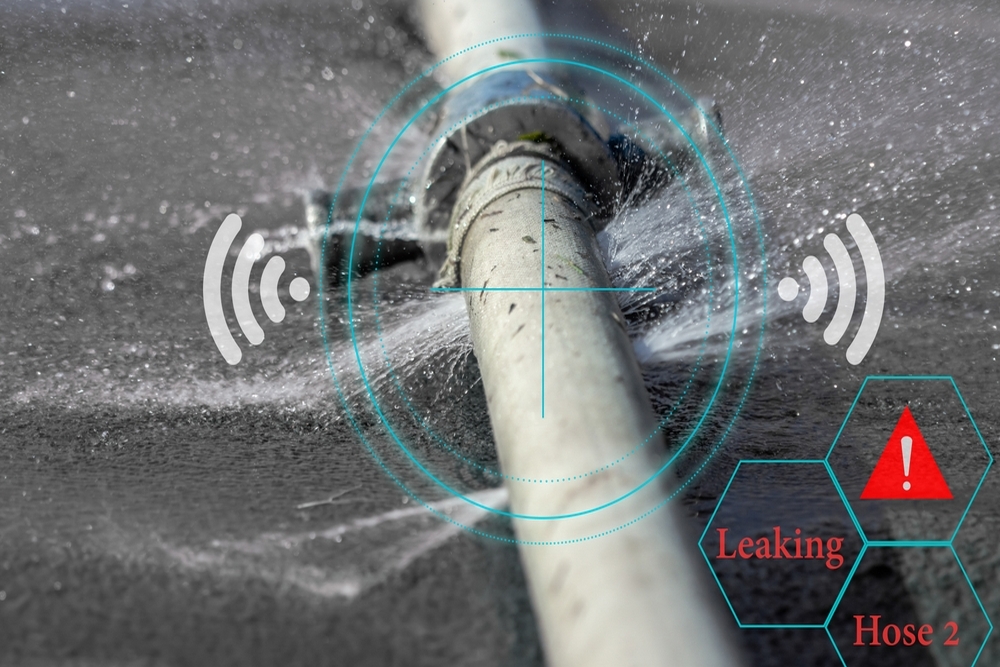
A plumbing leak can start small and quickly become a serious problem for your home. A broken washing machine hose, failed water heater connection, burst pipe, or leaking fixture can release water for hours if you do not discover it right away. When water continues flowing, it can spread into flooring, drywall, cabinets, furniture, and other areas of your property. The longer the leak continues, the more extensive the cleanup and repairs may become. A smart water shut-off valve gives you an additional way to respond quickly when a plumbing problem occurs. Depending on the system, sensors can detect moisture or unusual water flow and send a signal to the main valve to stop the water supply. Some systems can also send alerts to your phone, allowing you to know what happened even when you are away from home. Automatic shut-off technology cannot guarantee that every plumbing disaster will be prevented, but it can reduce the amount of water released after certain types of leaks are detected. Recent guidance on smart automatic shut-off valves shows how these systems can respond to leaks by communicating between sensors and a main valve. If you want to reduce the potential impact of an unexpected plumbing failure, a smart shut-off system can be an important addition to your home’s water protection plan.
How a Smart Water Shut-Off Valve Works
A smart water shut-off system typically combines a valve with sensors or whole-home water monitoring technology. The valve is installed on your home’s main water supply, while sensors can be placed near areas with a higher risk of leaks, such as washing machines, water heaters, sinks, and other plumbing fixtures. When a sensor detects water or the monitoring system identifies an unusual flow pattern, it can send a signal to the valve. The valve then closes the main water supply to reduce or stop the flow. Some systems also allow you to control the valve remotely through an app, which can be useful when you are traveling or away from home. The exact detection method varies between systems. Some rely on moisture sensors, while others monitor water flow, pressure, temperature, or a combination of factors. A whole-home system can provide broader protection than a sensor placed under a single fixture because it may recognize unusual water activity throughout the property. However, sensor placement and system settings still matter. A leak that occurs outside the monitored areas may not trigger a point sensor. This is why choosing the right system for your home’s plumbing layout is important. A professional plumbing evaluation can help you determine whether your property would benefit from point sensors, whole-home monitoring, automatic shut-off technology, or a combination of these features.
What Happens When a Leak Is Detected?
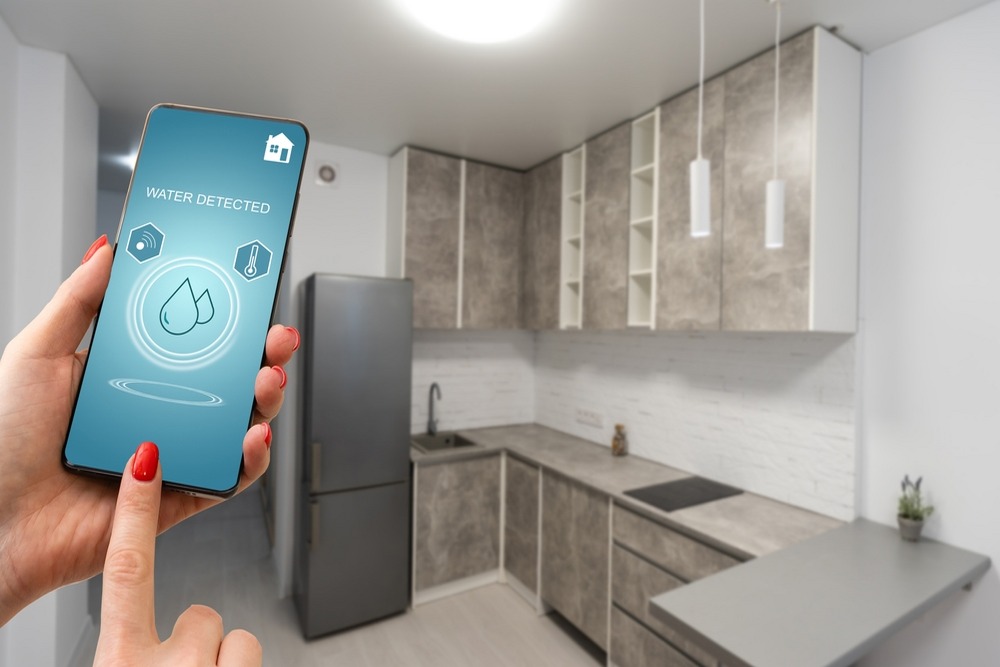
The biggest advantage of automatic shut-off technology is speed. When a serious leak occurs, every minute can matter because water continues to move until someone stops the supply. If you are home and notice a burst pipe immediately, you may be able to reach the manual shut-off and stop the flow. The situation is much different when a leak starts while you are sleeping, working, running errands, or traveling. A smart system can respond automatically when its sensors or monitoring technology identify a qualifying leak. For example, a sensor under a washing machine can detect water and communicate with the main valve, which then closes the water supply. Systems that monitor whole-home water flow may identify unusual patterns and take action without requiring a sensor to be placed directly at the leak. This can help limit the volume of water released before you discover the problem. Some systems also send alerts to your phone, giving you an opportunity to contact a plumber or take additional action. Current smart shut-off technology is specifically designed to detect leaks and automatically stop water flow, helping reduce the risk of extensive flooding. Keep in mind that a smart valve does not repair a broken pipe or eliminate the source of the leak. It simply helps control the water supply. You still need professional plumbing service to locate the cause, repair the damaged component, and make sure your system is safe to use again.
Why Professional Installation and Proper Setup Matter
Installing a smart water shut-off valve involves more than simply adding a connected device to your home. The valve needs to work with your existing plumbing, and sensors need to be positioned where they can provide useful protection. Your home’s pipe size, main water line configuration, valve location, power source, Wi-Fi connection, and other factors can affect the installation. Proper setup also matters because you want the system to respond appropriately without unnecessary shut-offs during normal water use. A professional can evaluate your plumbing and help select equipment that fits your home’s needs. You can also discuss where leak sensors should be placed and whether whole-home flow monitoring would provide additional protection. After installation, testing the system is important so you understand how alerts, sensors, manual controls, and automatic shut-off functions work. You should also know how to restore water service after the system activates and what steps to take when an alert appears. Smart technology works best when it is part of a broader plumbing maintenance plan. Regularly checking hoses, fixtures, water heaters, supply lines, and visible pipes can help you identify developing problems before they become emergencies. If you are considering a smart water shut-off, professional installation can help you get the most value from the system while ensuring it is properly integrated with your home’s plumbing.
Add Protection Against Unexpected Plumbing Emergencies
A smart water shut-off valve can help limit water damage by detecting certain leaks and stopping the water supply before a plumbing problem becomes more severe. While it cannot prevent every plumbing failure, professional installation can help ensure the system works properly with your home’s plumbing. If you are considering automatic water shut-off protection, now is a good time to explore your options before an emergency occurs. Ready to add another layer of protection to your home? Call Aerify Heating & Air Conditioning at (619) 734-9949 or fill out our online form to get started today.