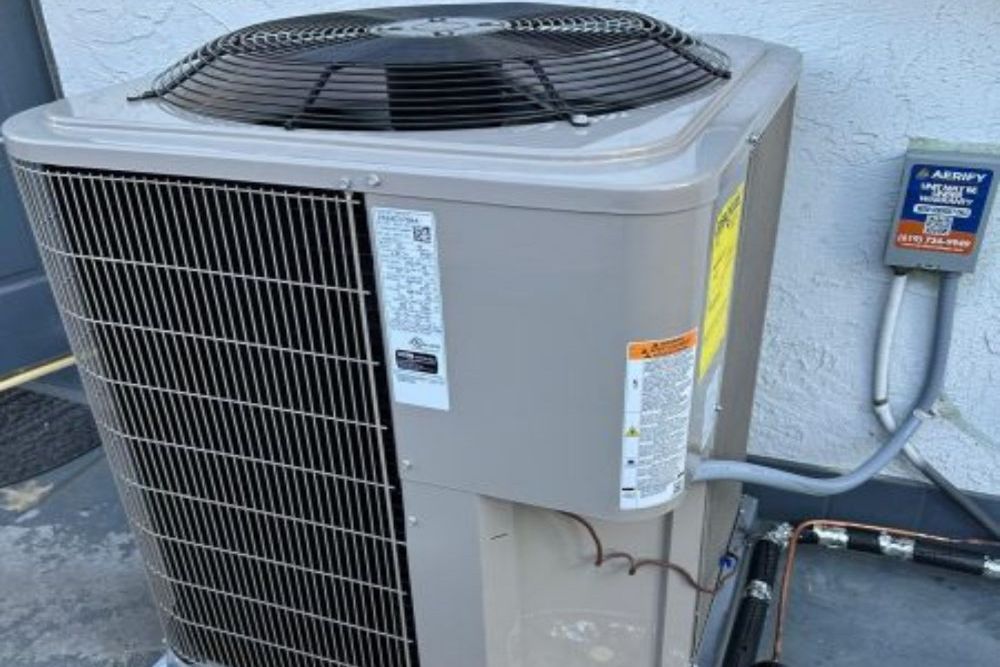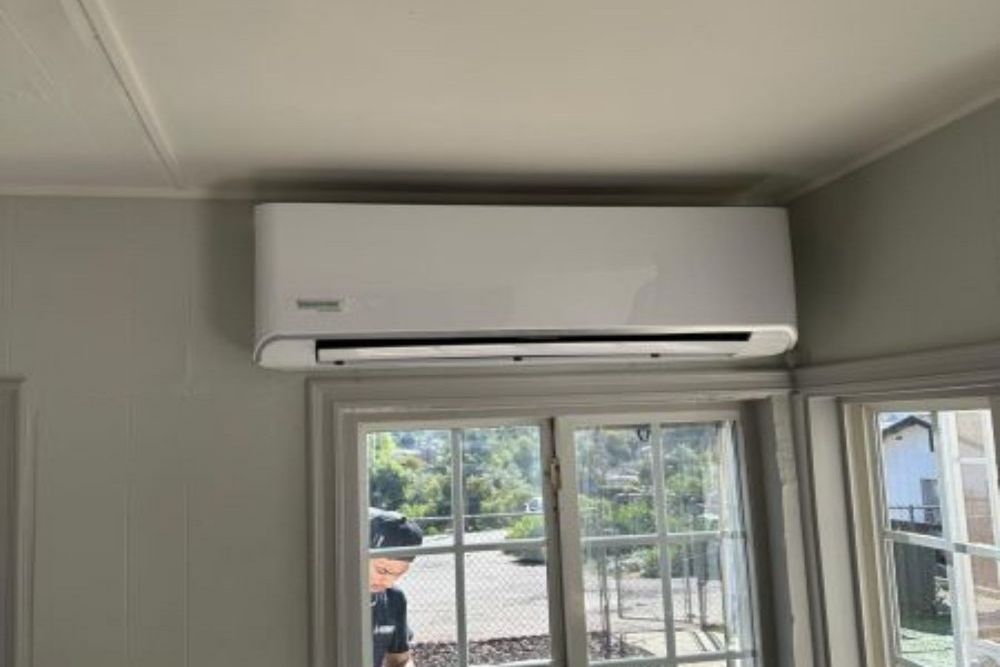
Choosing the right heat pump is an important step toward year-round comfort in your San Diego home. A heat pump provides both heating and cooling, making it a practical option for homeowners who want one system to manage indoor temperatures across different seasons. However, choosing a unit based only on price or your home’s size can lead to disappointing results. Your heat pump must have the right capacity to handle your property’s heating and cooling needs. An undersized unit may struggle to maintain your preferred temperature during extreme weather, while an oversized system can cycle on and off too frequently. Both situations can affect comfort, energy use, and equipment performance. Proper sizing depends on several factors, including square footage, insulation, ceiling height, window placement, and how many people live in your home. When you choose a system that matches your property’s needs, you can enjoy more consistent temperatures, dependable performance, and better control over your energy costs. Working with an HVAC professional helps you avoid guesswork and choose a heat pump suited to your home.
How an Undersized Heat Pump Affects Indoor Comfort
An undersized heat pump may not provide enough heating or cooling to keep your home comfortable when outdoor temperatures change. During warm weather, you might notice that certain rooms remain hot even when the system runs for long periods. During cooler conditions, the system may struggle to maintain your thermostat setting, leaving some areas chilly. Extended operating times can also increase wear on system components, especially when the equipment constantly works near its limits. In a home with large windows, limited insulation, or significant air leaks, these problems may become more noticeable because the heat pump must work harder to compensate for unwanted heat gain or heat loss. However, long runtime doesn’t always mean your equipment is too small. Dirty filters, refrigerant issues, blocked airflow, and other maintenance problems can cause similar symptoms. Before assuming you need a larger unit, have an HVAC technician assess the system and your home’s heating and cooling requirements. Proper sizing combined with effective insulation and adequate airflow can help your heat pump maintain a more comfortable indoor environment without unnecessary strain.
Why an Oversized Heat Pump Can Waste Energy
A larger heat pump may sound like a better choice, but more capacity does not automatically mean better performance. When a system is oversized for your home, it may reach the thermostat’s target temperature quickly and shut off before completing a longer, steady operating cycle. This behavior is called short cycling. Frequent starts and stops can increase energy consumption, stress components, and contribute to uneven indoor temperatures. In cooling mode, short cycling can also reduce the system’s ability to remove moisture from indoor air, potentially leaving rooms feeling cool but humid. The result may be less comfort even though the unit has more capacity than your home needs. Oversized equipment can also cost more upfront without providing a meaningful benefit. A properly selected heat pump should match your home’s demands rather than simply offer the highest capacity available. An HVAC professional can evaluate your property’s layout, insulation, windows, and other characteristics to determine the appropriate equipment size. Choosing the right capacity helps your system run more consistently while supporting energy efficiency and long-term reliability.
What HVAC Professionals Consider When Sizing a Heat Pump
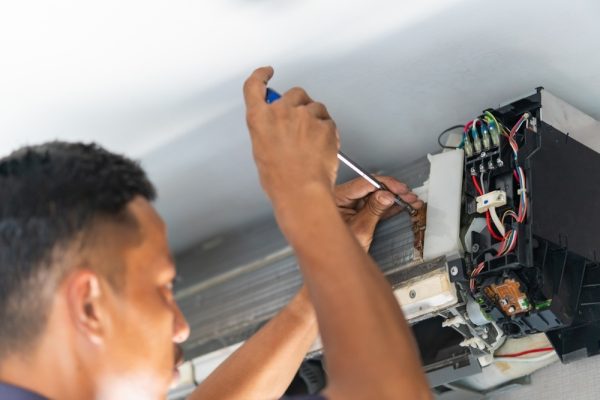
Accurate heat pump sizing involves more than estimating capacity from square footage alone. An HVAC professional can perform a heating and cooling load calculation to estimate your home’s heating and cooling needs. This assessment may consider the home’s total floor area, ceiling height, insulation levels, window size and orientation, air leakage, and local climate conditions. The number of occupants and appliance heat output may also affect indoor comfort. Existing ductwork matters because leaks, restrictions, or poor design can prevent conditioned air from reaching rooms effectively. For homes with additions, converted garages, or rooms that are consistently warmer or colder than others, these details matter even more. A load calculation helps the technician compare your home’s requirements with the capacity and performance characteristics of available heat pumps. It can also show whether improvements to insulation, air sealing, or ductwork could reduce how much heating and cooling your home needs. By considering these factors together, you can avoid choosing equipment that is too large or too small and make a more informed decision about your home’s comfort system.
Improve Comfort and Efficiency With the Right Heat Pump
Proper heat pump sizing can make a meaningful difference in how your home feels and how efficiently your HVAC system operates. The right equipment can help maintain steady indoor temperatures, reduce unnecessary cycling, and manage energy use more effectively. However, sizing is only one part of the equation. Professional installation, proper thermostat settings, clean filters, good airflow, and routine maintenance all support reliable performance. If your current system runs constantly, struggles to heat or cool certain rooms, or switches on and off frequently, these symptoms may indicate a sizing issue or another problem that deserves attention. Replacing a heat pump without first identifying the cause may not resolve uneven temperatures or high energy bills. An experienced HVAC professional can evaluate your existing equipment and help you determine whether repair, maintenance, or replacement makes the most sense. If you are considering a heat pump for your San Diego home, Aerify Heating & Air Conditioning can help you explore an option suited to your property’s needs. Call Aerify Heating & Air Conditioning at (619) 734-9949 or fill out the company’s online form to get started with professional HVAC assistance.